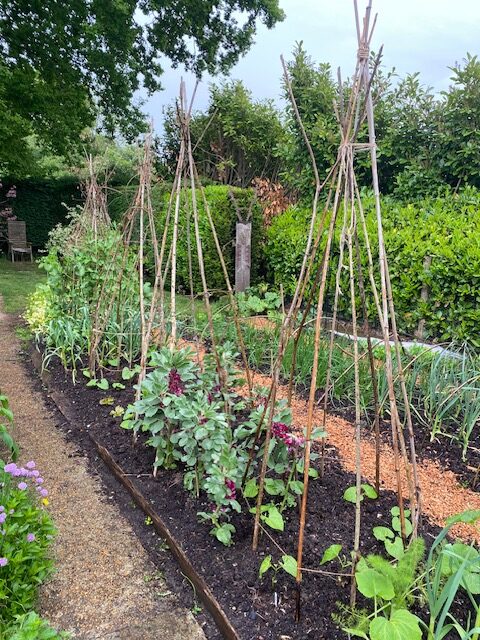
A word about mulching, it’s a highly beneficial practice that can enhance the health and productivity of your plants. Mulch is a protective layer of material applied to the soil surface around plants, and it serves multiple purposes in the garden. Let’s explore the benefits of mulching and why it’s a valuable technique for vegetable gardening.
Moisture Conservation: One of the primary advantages of mulching is its ability to conserve moisture in the soil. Mulch acts as a barrier, preventing excessive evaporation of water from the soil surface. It helps retain moisture, reducing the frequency of watering and ensuring a more consistent moisture level for your vegetable plants. This is especially important during hot and dry periods.
Weed Suppression: Mulch acts as a natural weed barrier by blocking sunlight from reaching weed seeds. This helps suppress the growth of weeds in your vegetable garden, reducing competition for nutrients, water, and sunlight with your desired plants. By keeping weed populations in check, mulching saves you time and effort spent on weeding and minimizes the need for herbicides.
Temperature Regulation: Mulch provides an insulating layer that helps moderate soil temperature fluctuations. During hot summer months, it keeps the soil cooler by reducing heat absorption, which helps prevent stress on plant roots. In colder seasons, it acts as a protective blanket, minimizing temperature extremes and providing insulation against frost. This temperature regulation promotes healthier root development and overall plant growth.
Soil Health Improvement: As mulch breaks down over time, it enriches the soil with organic matter, enhancing its fertility and structure. The decomposition process of organic mulches such as straw, grass clippings, leaves, or compost adds valuable nutrients to the soil, promoting healthy microbial activity and improving soil structure, aeration, and water-holding capacity. This creates a favorable environment for beneficial organisms like earthworms, which aid in nutrient cycling and soil aeration.
Erosion Prevention: Mulching helps prevent soil erosion caused by heavy rain or wind. The layer of mulch acts as a protective cover, reducing the impact of rainfall on the soil surface and preventing runoff. By preserving the topsoil and preventing erosion, mulching maintains the integrity of your vegetable garden and preserves its fertility.
Disease Prevention: Mulch acts as a barrier, minimizing the splashing of soil-borne diseases onto plant foliage. It helps prevent the spread of fungal and bacterial diseases that may harm your vegetable plants. However, it’s important to note that certain diseases may be present in mulch itself, so using clean, disease-free mulch is crucial.
When mulching your vegetable garden, consider the following tips:
Apply a layer of mulch around your plants, leaving a small gap around the plant stem to prevent excessive moisture buildup.
Choose organic mulches like straw, grass clippings, leaves, or compost. They break down gradually, enriching the soil in the process.
Avoid using thick layers of mulch, as they may hinder water penetration and air circulation.
Refresh the mulch layer as needed to maintain its effectiveness and appearance.
In conclusion, mulching your vegetable garden provides numerous benefits, including moisture conservation, weed suppression, temperature regulation, soil health improvement, erosion prevention, and disease prevention. By implementing mulching as part of your gardening routine, you can create a thriving and productive vegetable garden while reducing maintenance tasks and promoting sustainability.